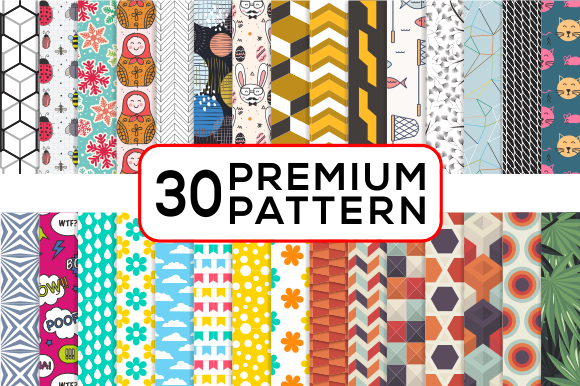
Exploring the Versatility of 30 Patterns Digital Paper in Modern Creative Workflows
Design resources have evolved far beyond simple shapes and flat colors. Among the most adaptable assets available today are digital paper collections. A curated set like 30 Patterns Digital Paper offers creators a robust toolkit for projects that demand texture, repetition, and visual rhythm. Rather than treating these files as mere backgrounds, savvy designers integrate them as core visual elements that define tone, structure, and brand personality. Whether you are a seasoned graphic artist or a hobbyist exploring new mediums, understanding how to deploy patterned digital paper effectively can elevate your work from ordinary to distinctive.
The Structural Appeal of Pre-Designed Pattern Libraries
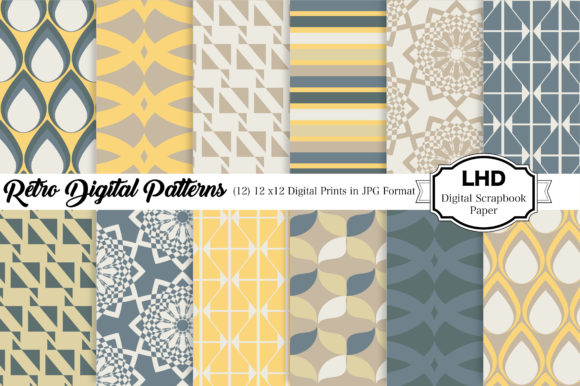
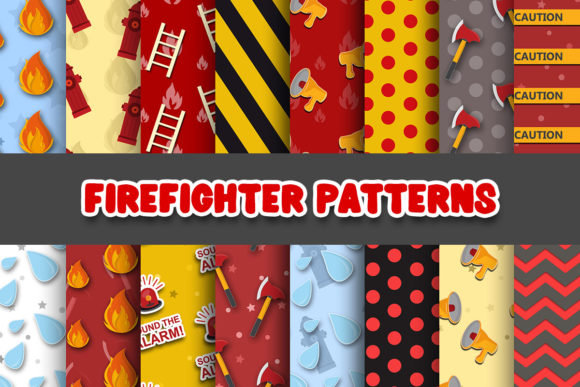
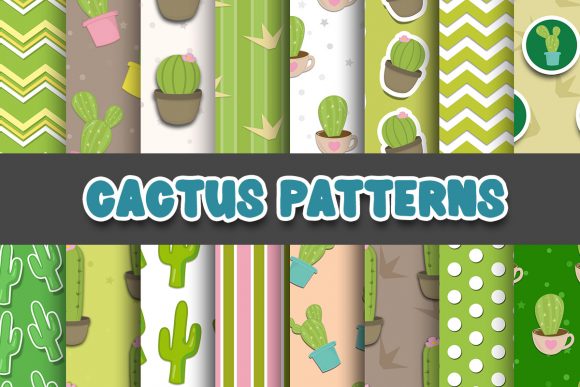
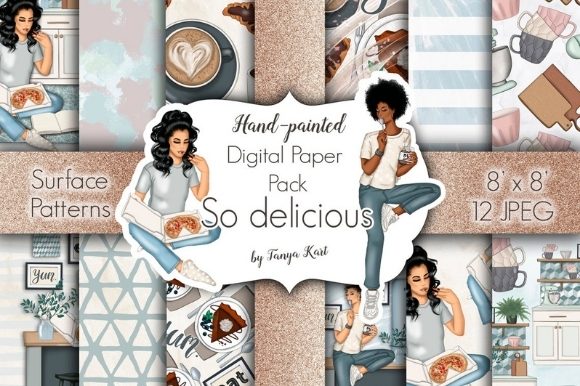
Patterns have always played a foundational role in visual communication. From ancient textile motifs to modern web backgrounds, repeating designs create cohesion and guide the eye. The 30 Patterns Digital Paper set capitalizes on this principle by offering a diverse range of styles within a single package. Each pattern acts as a building block, ready to be layered, masked, or combined with other elements. What makes this collection particularly valuable is the balance between variety and consistency: thirty distinct designs share a coherent aesthetic, so mixing them within a single project feels intentional rather than chaotic.
When you open the ZIP file, you immediately gain access to multiple formats including Adobe Illustrator CS EPS, CS PNG, and high-resolution JPG files at 300 dpi and 2000 pixels. This multi-format approach removes typical workflow barriers. A designer working in vector software can scale the EPS files infinitely, while someone crafting a digital album in a raster-based app can use the PNG or JPG versions without quality loss. The 300 dpi resolution ensures that even large prints remain crisp, which is critical for professional output such as product packaging or promotional materials.
Technical Specifications That Matter for Real Projects
- Format flexibility: EPS files retain vector paths for seamless scaling in Adobe Illustrator and similar vector editors. PNG files support transparency, letting you overlay patterns onto colored backgrounds or photographs. JPG files deliver a balance of quality and file size for quick placement in layouts.
- Resolution and dimensions: At 300 dpi and 2000 pixels on the longest side, each pattern provides enough detail for print applications up to approximately 6.7 inches at full quality. For larger formats, the vector EPS files eliminate resolution constraints entirely.
- Organized delivery: The ZIP archive keeps everything contained in one download, reducing the time spent hunting for individual files across different folders or cloud storage locations.
Understanding these specs helps you plan your workflow ahead of time. If you are designing a cell phone cover, for instance, the PNG format with transparency allows you to position the pattern exactly where you want it without cropping or masking. For a T-shirt design where the pattern wraps around the entire garment, the EPS file can be edited directly in Illustrator to adjust repeat size or color palette.
Use Cases Across Different Creative Industries
The real power of a pattern collection reveals itself when you consider the breadth of applications. 30 Patterns Digital Paper is not limited to one type of project or audience. Below are several domains where these patterns can serve as primary design drivers rather than afterthoughts.
Print and Paper Goods
Invitations, greeting cards, and stationery benefit enormously from patterned backgrounds. A wedding invitation with a delicate geometric pattern feels more premium than a plain white card. The same pattern can be scaled down for an RSVP card or used as an envelope liner. Because the set includes thirty designs, you can coordinate multiple pieces within a suite without repeating the exact same texture. This is particularly useful for paper crafters who produce handmade albums, scrapbooks, or gift tags. The high-resolution JPG files print cleanly on home inkjet printers, while the EPS files can be sent to professional print shops for offset runs.
Product Packaging and Labeling
Bottle caps, product labels, and magnet sets often rely on eye-catching repeats to stand out on crowded shelves. A pattern that evokes vintage tile work might suit a craft beer label, while a minimalist dot pattern could define a cosmetics line. Designers can import the PNG files directly into packaging mockups, test how the pattern wraps around cylindrical surfaces, and adjust scaling in real time. The 2000 px dimension gives enough resolution for small to medium packaging formats without requiring additional upscaling.
Apparel and Accessories
T-shirts, tote bags, and even jewelry designs can incorporate digital paper patterns as surface decorations. For fabric printing, the EPS format is ideal because textile printers often require vector separations. A pattern used on a T-shirt can be recolored to match seasonal collections, and because the set contains thirty options, you can create a cohesive apparel line around a single theme. Jewelry makers might resize a pattern to fit a pendant or earring component, then print it on shrink film or use it as a reference for enamel work.
Digital Media and Web Design
Website backgrounds, digital album pages, and mobile app interfaces all benefit from subtle texture. A full-screen pattern on a landing page adds visual depth without relying on heavy imagery that slows load times. The PNG files with transparency allow web designers to overlay patterns on gradient backgrounds or video loops. For digital albums, whether for photography or memory keeping, patterns provide consistent framing that ties multiple pages together. Social media graphics, YouTube thumbnails, and presentation slides also gain a polished look when patterns are used as borders or section dividers.
Merchandise and Promotional Items
Cell phone covers, magnets, and custom mugs are popular merchandise categories where patterns differentiate products from generic alternatives. A designer creating a line of phone cases can select five or six patterns from the collection, apply them to mockups, and offer a range of styles without developing original artwork for each variant. Nail wrap designers similarly benefit: patterns can be scaled to fit nail sizes, printed onto wrap material, and sold as themed sets. The versatility here lies in the fact that a single resource feeds multiple product lines.
Workflow Integration and Practical Considerations
Adopting a digital paper collection into your existing process requires minimal adjustment, but a few considerations can maximize its utility.
Organizing Your Asset Library
When you extract the ZIP file, take a few minutes to rename the files with descriptive labels if they arrived as generic codes. A pattern named "geo_blue_01.eps" is far easier to locate later than "pattern_14.eps." You might also create subfolders by style category, such as "geometric," "floral," "abstract," and "textural." This upfront organization pays dividends when you are working under deadline and need a specific look quickly.
Editing and Customization
While the patterns are ready to use out of the box, customization is often what makes a design feel original. In Adobe Illustrator, open the EPS file, release clipping masks, and adjust individual elements. Change a color swatch to match your brand palette, rotate the repeat angle for a dynamic layout, or combine two patterns by layering them with different blending modes. Because the collection includes vector files, these edits preserve resolution and print quality. For raster editors like Photoshop, the high-resolution JPG and PNG files can be transformed with adjustment layers, filters, and layer masks to create entirely new looks.
Printing and Production Constraints
Always test print a small section before committing to large runs. Even at 300 dpi, patterns with very fine lines may blur on certain papers or fabrics. If you are printing on a home printer, choose matte or luster paper for best results. For commercial production, share the EPS files with your printer and confirm that they can handle the vector data. The PNG files with transparency are excellent for digital presses, while the JPG files work well for standard offset printing as long as color profiles are managed correctly.
Who Benefits Most from This Resource
The audience for 30 Patterns Digital Paper spans multiple skill levels and professional domains. Understanding who you are designing for matters, but it is equally important to recognize how different users approach pattern-based design.
Graphic Designers and Art Directors
Professionals working in agencies or freelance studios often need pattern assets that are versatile enough for client work. A single collection used across a brand identity system, from business cards to website headers, ensures visual consistency. Designers appreciate the vector formats because they can tweak scale, color, and rotation without starting from scratch. The thirty patterns provide enough variety to pitch multiple concepts to a client without revealing the same visual idea twice.
Small Business Owners and Entrepreneurs
For a business owner managing their own branding, purchasing a pattern collection is more cost-effective than hiring a designer to create custom illustrations. The patterns can be applied to product labels, social media templates, packaging inserts, and signage. A boutique candle maker, for example, could use a botanical pattern for labels, a geometric pattern for tissue paper, and a subtle texture for the brand website. The ZIP file becomes a miniature brand asset library that pays for itself across multiple touchpoints.
Educators and Workshop Facilitators
Teachers in graphic design, visual arts, or even marketing classes can use pattern sets as teaching tools. Students learn about repeat systems, color theory, and format handling by working with the EPS and PNG files. The patterns serve as starting points for assignments: modify the scale to show how a pattern changes mood, apply it to a mockup to demonstrate practical use, or combine two patterns to teach layering techniques. The high resolution also means printed handouts remain clear and professional.
Hobbyists and DIY Enthusiasts
Paper crafters, scrapbookers, and home decor creators often seek affordable, high-quality patterns for personal projects. The 30 Patterns Digital Paper set allows a hobbyist to print custom wrapping paper, decorate a photo album, or create handmade cards for holidays and special occasions. Because the files are ready to use, there is no steep learning curve. A crafter can open the JPG file, resize it in word processing software, and print directly onto cardstock. The immediate accessibility lowers the barrier to professional-looking results.
Observations on Pattern Trends and Longevity
Design trends shift, but patterns rooted in geometry, nature, and abstract form tend to endure. The thirty patterns in this collection likely span these classic categories, which means they will remain relevant across multiple seasons and stylistic cycles. A bold geometric pattern that works for a modern tech brand today may also suit a retro-themed project next year with a different color palette. The ability to recolor vector patterns extends their lifespan significantly. Rather than chasing every trend, designers can invest in a solid pattern library and adapt it as needed.
Another observation worth noting is the growing demand for seamless repeats in digital products. As more creators sell printables, digital assets, and online courses, having a set of ready-made patterns saves production time. A pattern that repeats flawlessly, as these files presumably do, eliminates the frustration of visible seams or awkward breaks. This technical quality is not always obvious to beginners, but professionals recognize it immediately as a sign of a well-crafted resource.
Balancing Pattern Usage with Negative Space
One common pitfall is overusing patterns to the point where the design feels busy or cluttered. The best results often come from using patterns selectively. A patterned band across the bottom of a card, a subtle texture on a website hero section, or a small repeating motif inside a logo mark can be more effective than covering entire surfaces. The 30 Patterns Digital Paper set gives you options to choose the right density for each application. A low-contrast, small-scale pattern works well as a background texture, while a high-contrast, large-scale pattern becomes a focal point on its own.
Practical Tips for First-Time Users
- Start with one pattern: Before building an entire project around the collection, test a single pattern in a simple layout. Print it, view it on screen, and check how it behaves at different sizes. This builds confidence before committing to a larger design.
- Layer patterns with opacity: In Photoshop or Illustrator, reduce the opacity of a pattern layer and place it over a photograph or solid color. This creates a subtle texture that adds depth without overwhelming the content underneath.
- Use patterns as borders: Instead of filling an entire page, crop a strip of the pattern and use it as a border or divider. This approach is especially elegant for invitations, certificates, and social media graphics.
- Combine with typography: Place text over a pattern area that has low visual noise. Busy patterns can make text hard to read, so choose designs with plenty of negative space or position text on a solid color block layered over the pattern.
- Keep the source files accessible: After extracting the ZIP file, store the folder in a cloud service or external drive. Pattern collections are assets you will reach for repeatedly across projects.
Final Thoughts on Integrating Patterns into Creative Practice
The 30 Patterns Digital Paper collection represents more than a set of files; it is a flexible resource that adapts to the needs of diverse creators. By understanding the technical formats, exploring the range of possible applications, and respecting the design principles that make patterns effective, you can turn these thirty designs into a cornerstone of your creative workflow. Whether you are printing a batch of handmade cards, launching a merchandise line, or refreshing a brand identity, the patterns provide a foundation that balances quality, variety, and ease of use. The real value emerges not from the patterns themselves, but from how you choose to combine, customize, and contextualize them within your own unique vision.